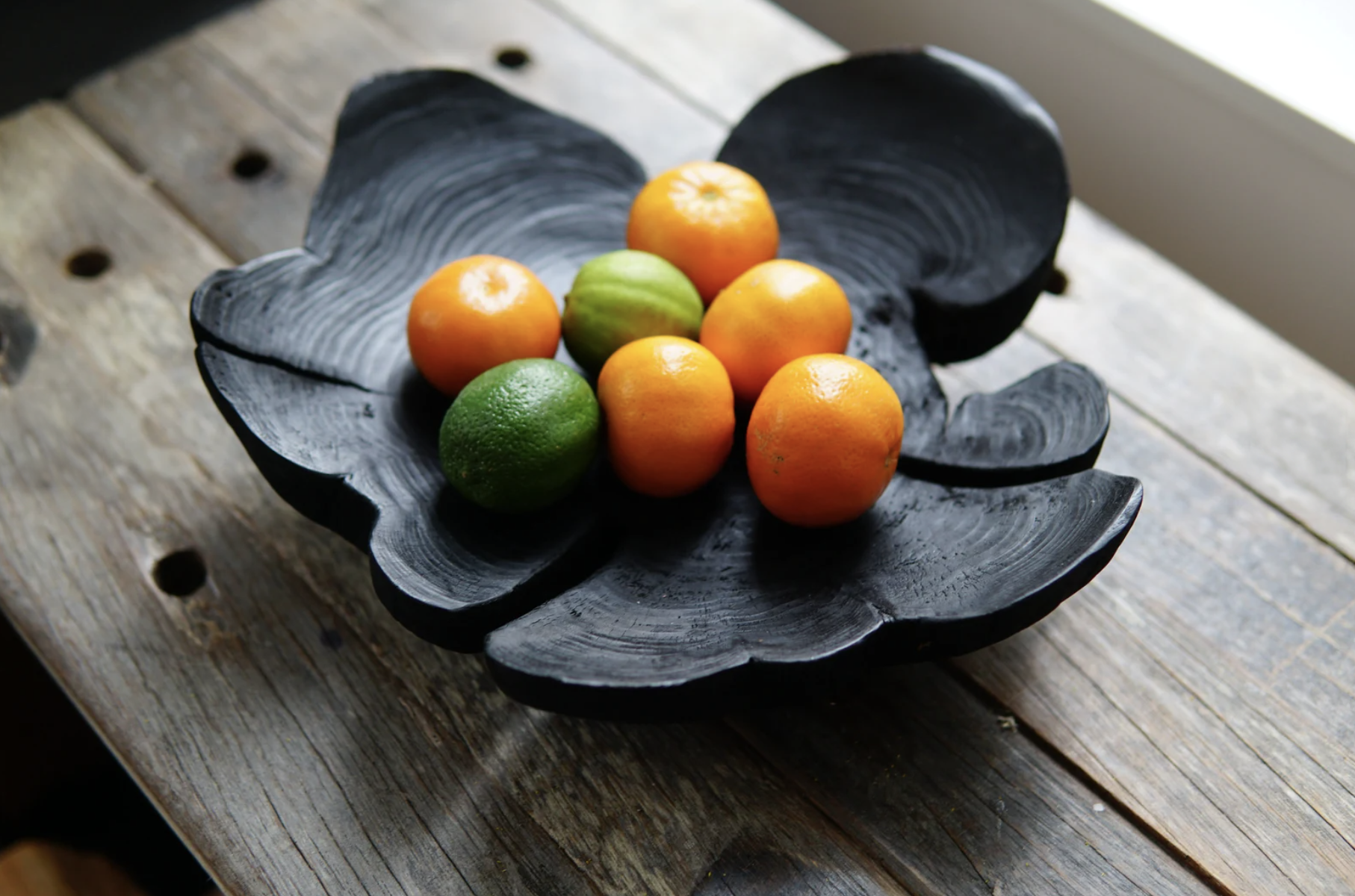
Diamonds in the rough are nothing but carbon subjected to heat, pressure, and time; they all start as something like this. Charred wood. The beauty of the material emerges from careful shaping and polishing. In Japan, this craft is called shō sugi ban or yakisugi.
Dark Roots
“Burnt cedar plank” was originally used as an artful way to make cedar siding more weather resistant. Much the same way as American pioneers whitewashed their clapboard homes, Japanese builders took aromatic cedar — a wood that’s already naturally insect resistant — and burned it black to keep moisture and mold at bay. Pre-burning will also make dry wood less likely to catch fire.
Tradition
As a wood preservative, the process worked wonderfully. Today, you can still find plenty of traditional yakisugi homes with either jet-black exteriors or decorated in the striking mottling that can come from sanding the blackened wood. But you can also find the “burnt cedar plank” technique in modern architecture as well as furniture, jewelry, kitchenware, and art objects. The natural textures and glossy hues are even more striking in objects small enough to fit inside your room or hold inside your hand.
THE BLACKENED CRAFT
Modern, high-tech versions of yakisugi can be found under the name “thermally modified wood,” which is used in everything from Nordic flooring to “roasted” guitar fretboards. You might find thermally modified wood in saunas, outdoor paneling, and even decking. However, it’s usually made using a combination of high heat, pressure, and changes in atmosphere — like reducing oxygen and increasing nitrogen levels — until the wood undergoes chemical changes.
Old-fashioned yakisugi works its transformations with….
By Porthole Cruise and Travel
EXCERPT ONLY. CLICK TO READ THE FULL ARTICLE
This is an excerpt from the latest issue of Porthole Cruise and Travel Magazine. To continue reading, click above for a digital or print subscription.