The MSC Foundation has resumed coral restoration efforts at Ocean Cay in The Bahamas as ocean temperatures decline following a summer of marine heat stress.
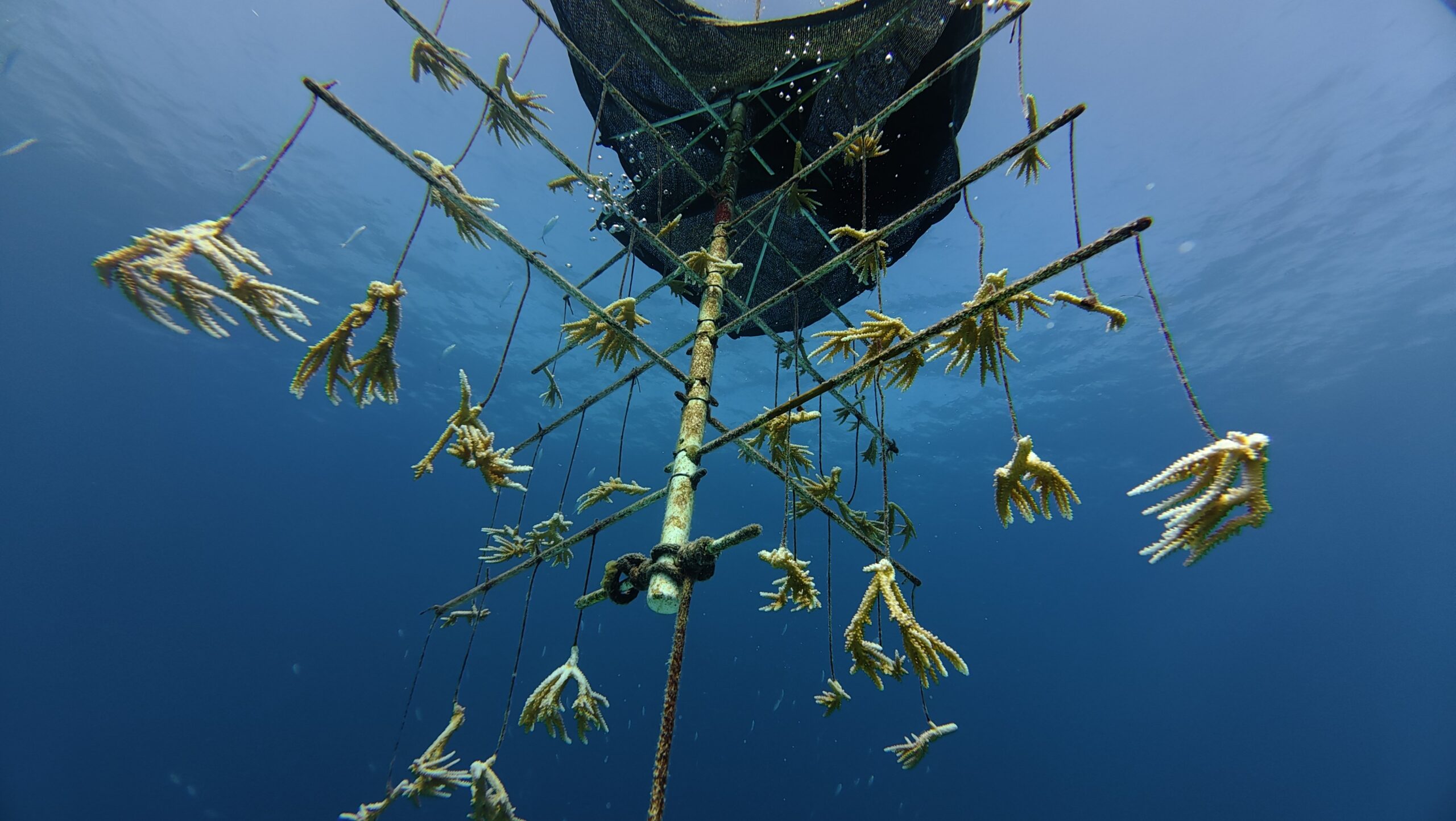
The Foundation detected bleaching in fragments of one genotype of critically endangered staghorn coral (Acropora cervicornis). The team installed shade structures over underwater nurseries and moved affected fragments to land-based tanks at the Marine Conservation Center to protect the genotype and support recovery.
No visible bleaching was detected in critically endangered elkhorn coral (Acropora palmata).
“As water temperatures decline, we are resuming outplanting while continuing to monitor coral health. Our priority is to protect vulnerable corals and better understand how different genotypes respond to repeated heat stress,” said Emeline Bouchet, Marine Program Manager at the MSC Foundation.
The National Oceanic and Atmospheric Administration (NOAA), the U.S. agency that monitors weather, oceans and climate, reported through its Coral Reef Watch program that The Bahamas reached its highest Coral Bleaching Alert Level during summer 2026. Satellite data show that marine heat stress has eased in parts of the country since early November.
The Foundation will continue monitoring both coral species to track their responses to heat stress, particularly ahead of forecasts for severe marine heatwaves in 2027.
“Every observation helps us refine our restoration methods. By tracking coral growth, recovery and survival, both in our nurseries and on surrounding reefs, we are building the scientific knowledge needed to make restoration more effective in a changing ocean.”
The monitoring is part of the Foundation’s Super Coral Reefs Program at its Marine Conservation Center on Ocean Cay. The program identifies and propagates corals with potential resistance to environmental stress, grows fragments in land-based tanks and underwater nurseries, and transplants them onto nearby reefs.
The Foundation also works with university and marine science partners to study coral growth, survival and responses to environmental stress, while providing training opportunities for students and researchers.